
04 January 2024
Flea Shampoo and Flea Baths for Dogs: A Practical Guide
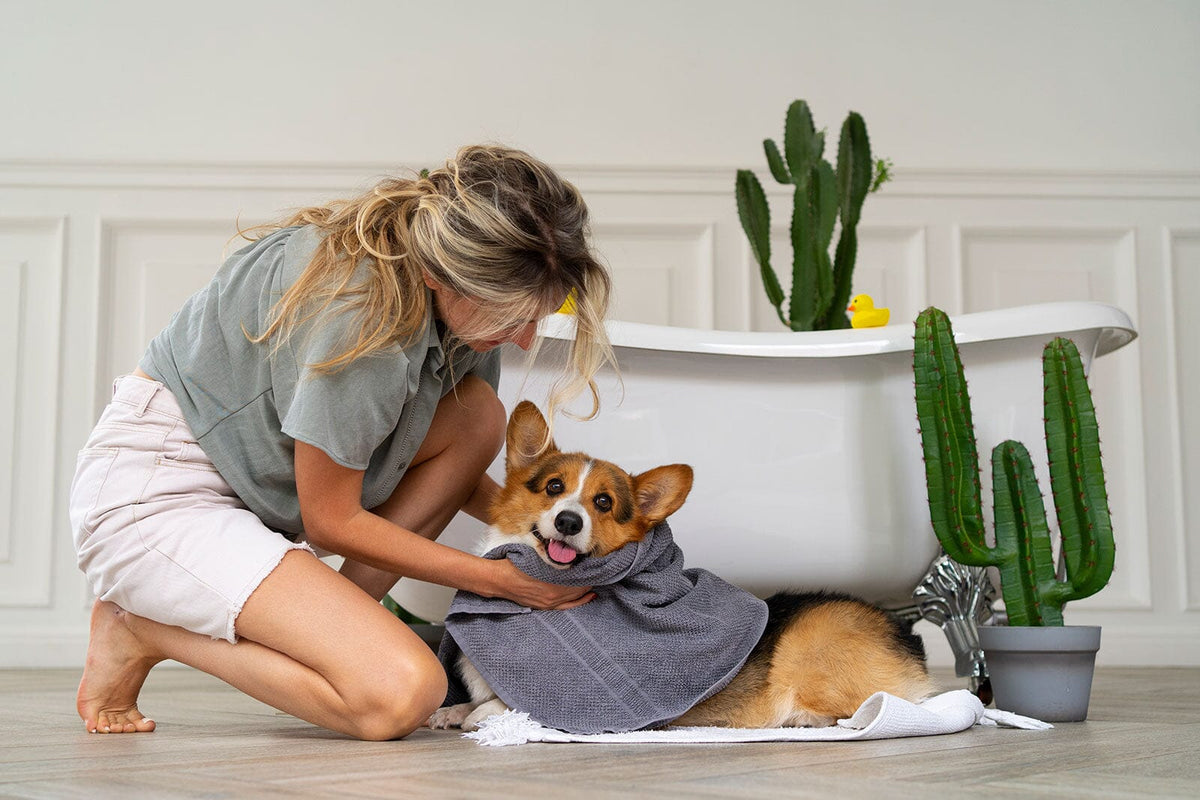
Spotted your dog scratching more than usual? Fleas are one of the most common culprits, and they're no fun for anyone. The good news is that with the right routine you can get on top of them quickly. In this guide we cover what fleas do, how flea shampoos work, how to give your dog a flea bath step by step, and how to keep your pup comfortable afterwards.
What fleas do to dogs
Fleas are tiny insects that live on your dog and feed on their blood. As well as being very itchy, they can cause:
- Constant scratching and discomfort, which can leave your dog restless and unsettled.
- Sore, irritated skin and hair loss from all that scratching and nibbling.
- Allergic reactions: some dogs are allergic to flea saliva, which makes the itching much worse.
- Tapeworms, which dogs can pick up by swallowing fleas while grooming themselves.
If you think your dog has fleas, speak to your vet. They'll recommend a licensed flea treatment that suits your dog's age and size, which is the most reliable way to deal with an infestation. Remember to treat your home and any other pets too.
How do flea shampoos work?
Medicated flea shampoos contain active ingredients that kill or repel fleas. Other shampoos simply help wash fleas, flea dirt and debris out of the coat while you bathe your dog. Either way, a bath on its own won't stop new fleas arriving or eggs hatching around your home, so it works best as one part of a wider flea plan agreed with your vet.
If your dog already has a spot-on flea treatment, check its instructions before bathing, as some advise not bathing for a few days before or after applying it.
Choosing a shampoo for flea-bitten skin
- Skin sensitivity: flea bites leave skin sore and itchy, so choose a gentle, pH-balanced formula without harsh ingredients.
- Your dog's age: always check a product is suitable for puppies before using it on a young dog. Our grooming products are suitable for puppies from 8 weeks.
- How often you'll bathe: a mild formula with a built-in conditioner helps stop the coat drying out if you're bathing more often.
Our Itchy & Scratchy Dog Shampoo is a soothing wash for itchy skin, with a fresh Lemon & Tea Tree scent, aloe vera and a built-in conditioner. It's a gentle bath-time shampoo rather than a medicated flea treatment, so use it alongside the treatment your vet recommends.
How to give your dog a flea bath
1. Get everything ready
Gather your shampoo, plenty of towels, a flea comb and a brush, and pick a spot where your dog feels safe, like the bath or a shower tray. Brush out any tangles and mats first, as these can trap fleas, then run a flea comb through the coat to remove any you can see.
2. Wet the coat
Use lukewarm water, not too hot and not too cold, and soak the coat right down to the skin. Keep water away from your dog's eyes, ears and face, as most dogs find that part the most stressful.
3. Lather up
Starting at the neck and working towards the tail, massage the shampoo into the coat so it reaches the skin. Always follow the instructions on your shampoo's label.
4. Rinse thoroughly
Rinse until the water runs clear. Leftover shampoo can irritate the skin, so take your time here.
5. Dry and check
Towel your dog dry, then comb through the coat again with a flea comb to catch any fleas left behind. Plenty of praise and a treat afterwards will make the next bath much easier!
After the bath
Keep up with the flea treatment your vet recommends, wash your dog's bedding on a hot cycle and vacuum regularly, as flea eggs and larvae live around the home rather than on your dog. Regular brushing helps you spot any return early. If your dog's skin stays red, sore or itchy, check in with your vet.
Browse our full dog shampoo range, or read our guide to dealing with your dog's itchy skin.